You have been successfully signed in.
Account created successfully! Please check your email to verify your account.
Account created successfully! Please check your email to verify your account.
Account created successfully! Please check your email to verify your account.
Course No. 1
Temporary vs. Permanent changes everything.If It's Only Temporary, Then It's Not a Cure.
Overview
This course examines the vast difference between nutrition approaches based on temporary and permanent weight loss to avoid and reverse metabolic syndrome, obesity, and metabolic disease.
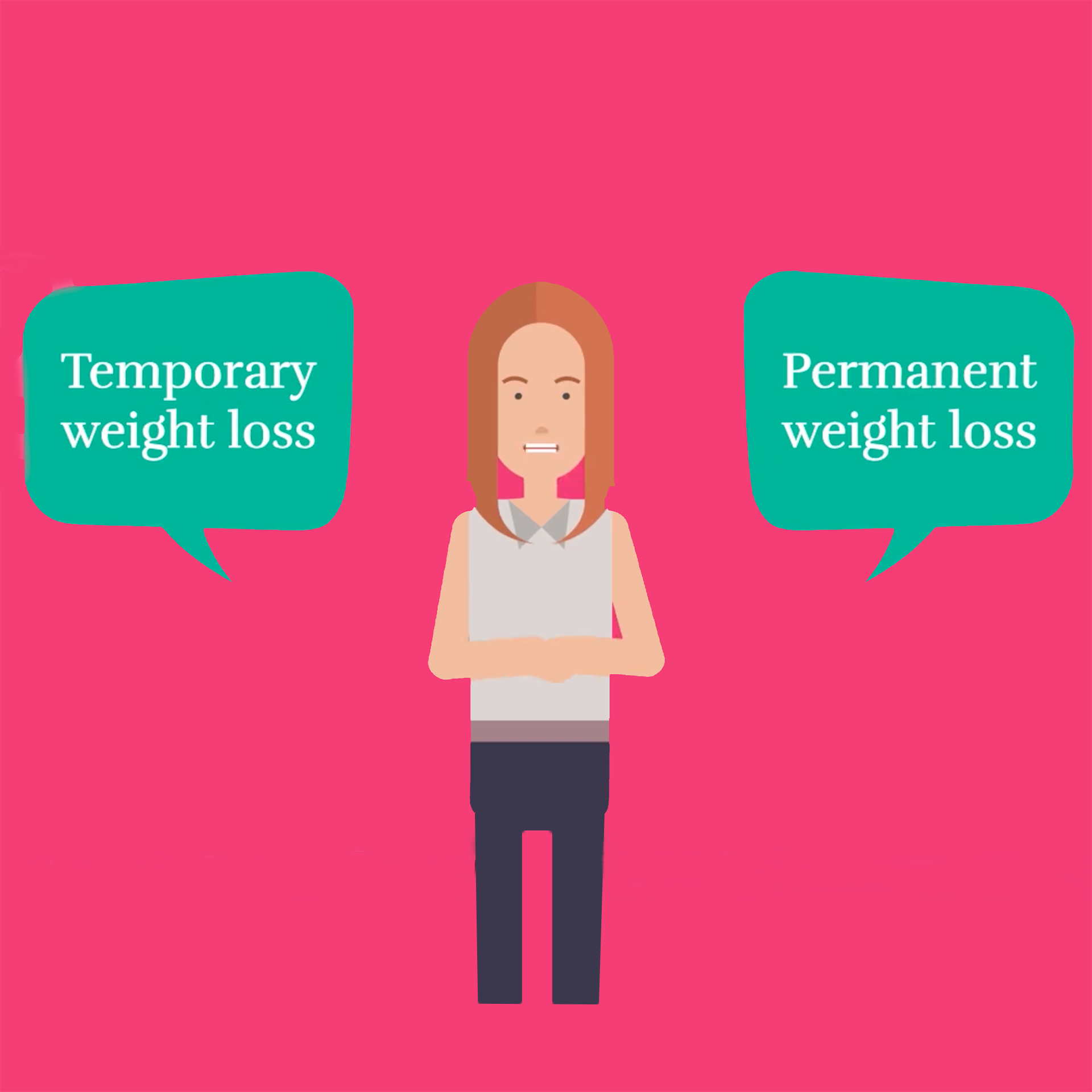
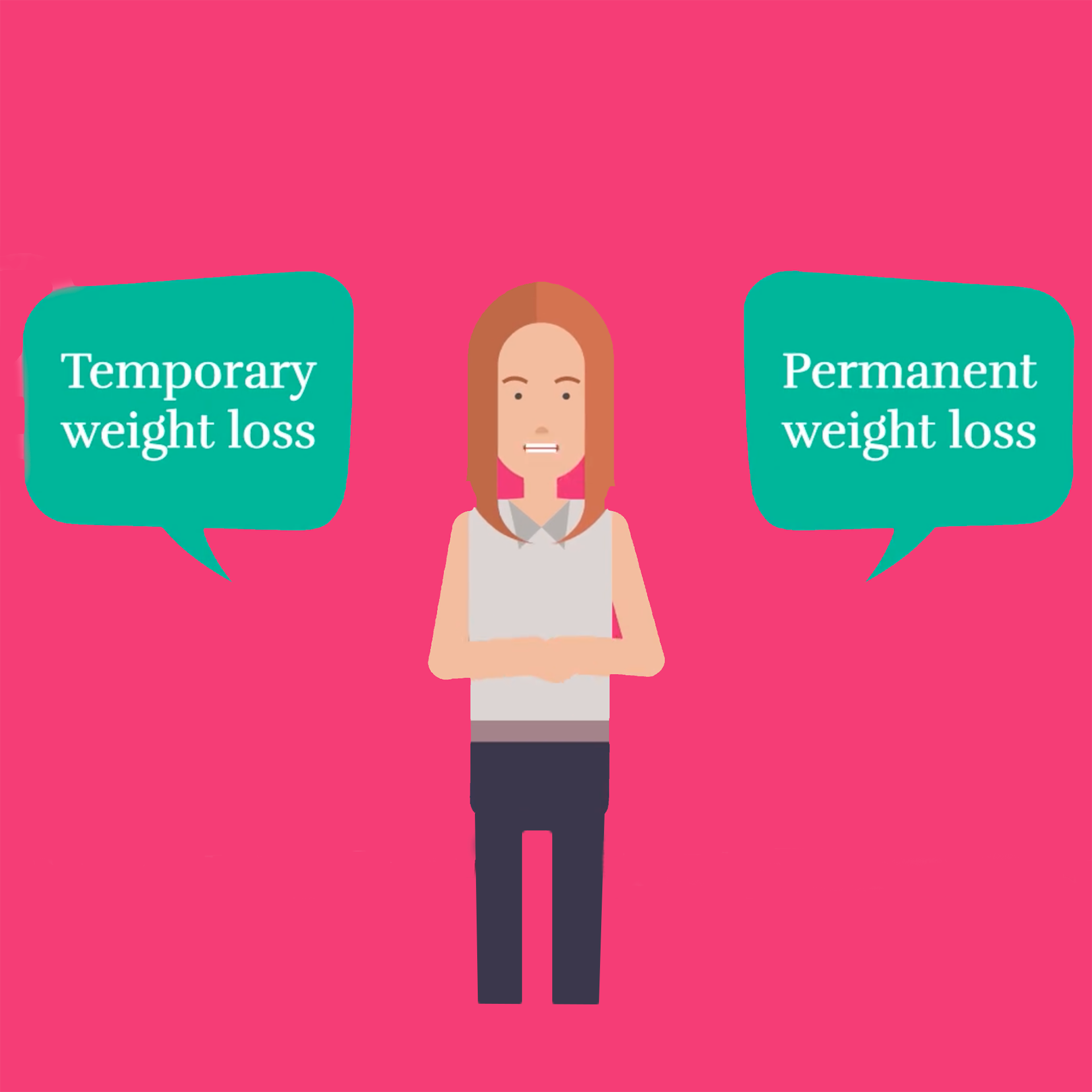
Temporary and permanent weight loss are entirely different biochemically, biologically, and behaviorally. They also operate on totally different timelines. In commerce, there is a considerable amount of commingling of the two regarding weight-loss and nutrition health claims, but in science, the two are very different.
Fat cells have two conditions relevant to this discussion: they can be 1) filled or drained, or fat cells can be 2) created or destroyed. The impact of excess fat cells on the body is a combination of their location in the body, how many fat cells were filled or drained, and how many fat cells were created or destroyed. If fat cells are filled or drained, this is the domain of temporary weight loss. If fat cells are created or destroyed, this is the domain of permanent weight loss.
Human evolution in a nutrient-poor world has made filling and draining fat cells relatively easy for the body. This process happens relatively quickly and requires relatively little incentive and resources. Throughout evolution, Nutrition shortages were primarily seasonal, so permanent changes in fat cells were rarely necessary. As a result, creating and destroying fat cells is difficult for the body, requiring sustained incentives and substantial resources over a long time.
Actionable Knowledge
- Temporary and permanent weight gain and loss are two completely different biological processes. Temporary weight gain and loss fill and drain fat cells, while permanent weight gain and loss create and remove fat cells.
- Applying an age-old wisdom of how the human body works, "use it or lose it," supports this understanding of destroying fat cells. If you don't "use" fat cells during their life cycle by filling them, they will be removed and not replaced.
- It is the metabolic syndrome and metabolic disease that causes weight gain and obesity, not the weight gain that causes metabolic syndrome or metabolic disease.
- The solution to undesired weight gain, metabolic syndrome, obesity, and metabolic disease is consistency over time, continuously creating the conditions for the body to permanently remove fat cells and heal its bioreactor dysfunction (small intestine damage) and dysbiosis (unhealthy microbiome).
Top Sponsors of this Course
 Your Name - Your Organization
- Your Name - Your Organization
- Your Name - Your Organization
- Your Name - Your Organization
Related Article
If It's Only Temporary, Then It's Not a Cure.
Article 1
It all begins with understanding the difference between temporary and permanent weight loss.
Read ArticlePrevious Course

6 By 6 Is the Fix. Yeah, It's That Simple.
Course 15
Life is a batch process. Adjust your schedule to it.
Life is a batch process. Adjust your schedule to it.
The right daily eating cycle is the single most impactful thing you can do to avoid obesity and metabolic disease. It’s what you do every day to accommodate that cycle that counts. The modern world may be full of continuous processes such as machines and computers, but life is a batch process.
Next Course
Counting Calories Adds Up to Failure..
Course 2
Physical & behavioral reasons this doesn’t work.
Physical & behavioral reasons this doesn’t work.
Nutrition and weight loss are rare industries that thrive with a low single-digit success rate. It makes sense to look for new approaches when the current approaches have such a low success rate. Virtually every current weight-loss program one way or another counts calories. While the physics of calories in calories out is right, the body fools you about the numbers.
Account created successfully! Please check your email to verify your account.
You have been successfully signed in.
Account created successfully! Please check your email to verify your account.
Account created successfully! Please check your email to verify your account.