You have been successfully signed in.
Account created successfully! Please check your email to verify your account.
Account created successfully! Please check your email to verify your account.
Account created successfully! Please check your email to verify your account.
Course No. 2
Physical & behavioral reasons this doesn’t work.Counting Calories Adds Up to Failure..
Overview
If the goal is permanent weight control and improved health and wellness, Calories In Calories Out almost always does not work without extreme measures such as lifelong medications and major surgery. If you believe in the Calories In Calories Out model, the fault of obesity and metabolic disease lies with the person who fails to maintain the calorie balance.
But, Calories In Calories Out fails because the body tricks you into thinking there is a calorie deficit when there is not one. There is a complex hierarchy of calorie storage systems in the blood, muscles, and liver, each released and replenished over different time periods. Calories In Calories Out models typically base everything on a daily balance. This is where things go wrong.
In a Calories In Calories Out diet, each day you think you are running a deficit, you make up for it by drawing down calories from your muscles. Then, when you go out for your weekly reward or otherwise cheat, you replenish the stored calories in your muscles. The result is you are not running an overall deficit at all, with hunger fighting you all the way.
Hunger and satisfaction (also known as feeling full) are very complex human systems with many components and variables that are only now nearly understood. But one of the most significant determinants of feeling full is when an ideal-sized food bolus enters the bioreactor from the stomach. When you eat the right amount of food at the right pace, the stomach takes about 30 minutes to make the food bolus and move it into the bioreactor. That's where and when one of the most potent sensations of satisfaction occurs. This is how you eat the right amount.
Actionable Knowledge
- The Calories In Calories Out model persists despite its poor results to hide who's really to blame for the obesity and metabolic disease crisis. Here’s a hint: it's not you. Fault matters, especially when trillions of dollars and millions of harmed people are concerned.
- Daily calorie balancing would work if calories were only stored in the blood. That's because adding and removing calories from the blood happens quickly and is easy to discern. But calories are also stored in the muscles and the liver, each with very different rules and timelines for adding and removing calories than the rules for the blood.
- The body’s multiple sources and types of energy result in an enormously complex formula based on the addition and removal rate of calories, the quantity of calories needed and remaining, the type of activity, the type of calories, the size and location of calorie storage, and the covered time period. You are not likely to manage this successfully by tracking calories.
- If you are like almost everyone and eat until you are full at the table, you will always overeat. But if you eat enough food to be full 30 minutes after you leave the table, you will always eat just the right amount. Your body can count calories much better than you ever can, so let it do it and listen when it tells you you've eaten enough.
Top Sponsors of this Course
 Your Name - Your Organization
- Your Name - Your Organization
- Your Name - Your Organization
- Your Name - Your Organization
Related Article
Counting Calories Adds Up to Failure.
Article 2
Nutrition and weight loss are rare industries that thrive with a low single-digit success rate.
Read ArticlePrevious Course
If It's Only Temporary, Then It's Not a Cure.
Course 1
Temporary vs. Permanent changes everything.
Temporary vs. Permanent changes everything.
It all begins with understanding the difference between permanent and temporary weight loss. They are totally different processes that must be addressed differently. Avoiding and reversing obesity and metabolic disease results from permanent change, not temporary change. Temporary change is about looks, permanent change is about life.
Next Course
It's About Know Power, Not Willpower.
Course 3
What's character got to do with it? Nothing.
What's character got to do with it? Nothing.
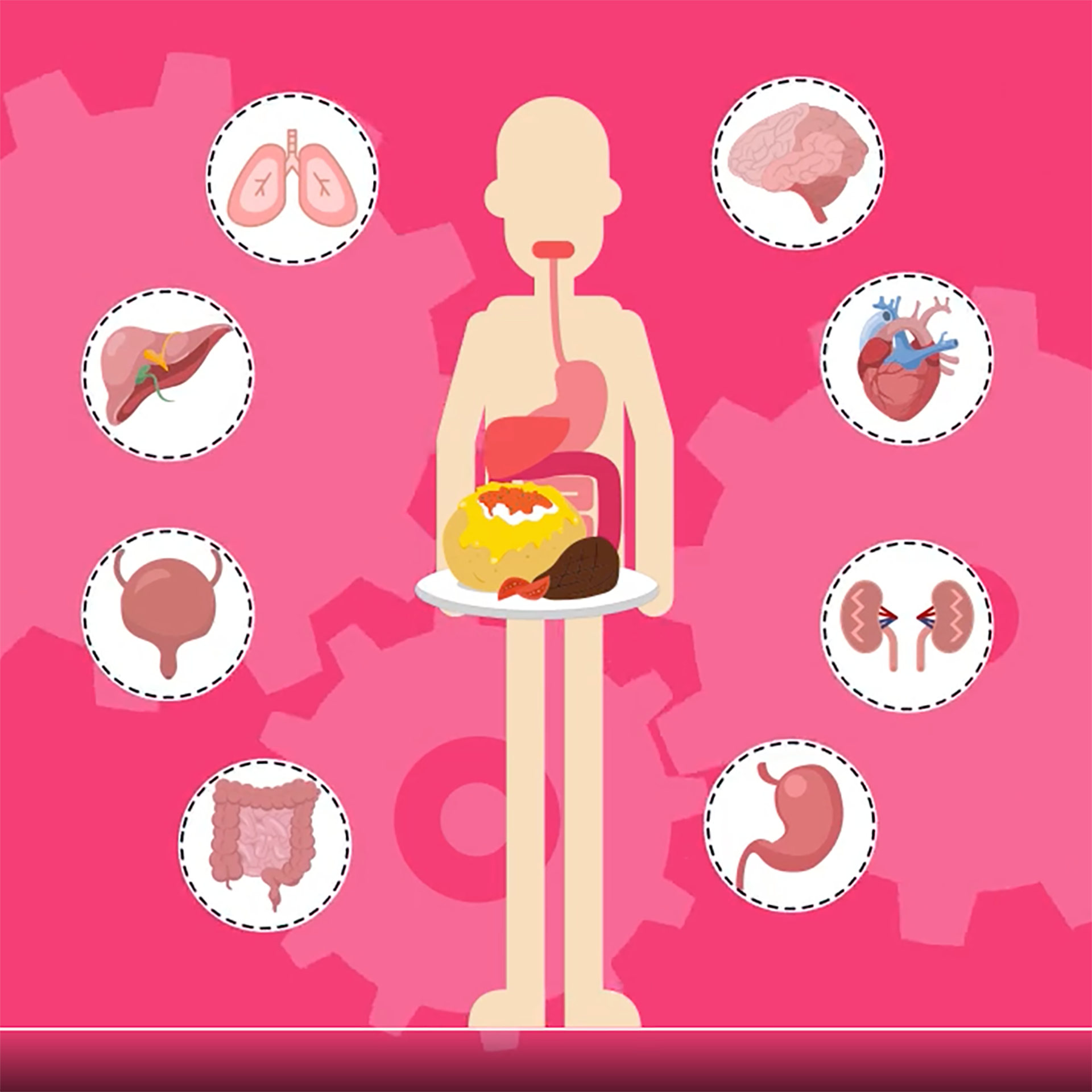
It's not about character. It's all about learning how the body works, and how it processes food throughout the day. In fact, relying on willpower very rarely works for long. Weight gain is a symptom of metabolic dysfunction, not the cause. You can no more will-away fat than you can will-away a runny nose when you have a cold.
Account created successfully! Please check your email to verify your account.
You have been successfully signed in.
Account created successfully! Please check your email to verify your account.
Account created successfully! Please check your email to verify your account.