You have been successfully signed in.
Account created successfully! Please check your email to verify your account.
Account created successfully! Please check your email to verify your account.
Account created successfully! Please check your email to verify your account.
Course No. 9
Trillions of microbes create essential chemistry.Meet Your Essential Organ, the Bioreactor.
Overview
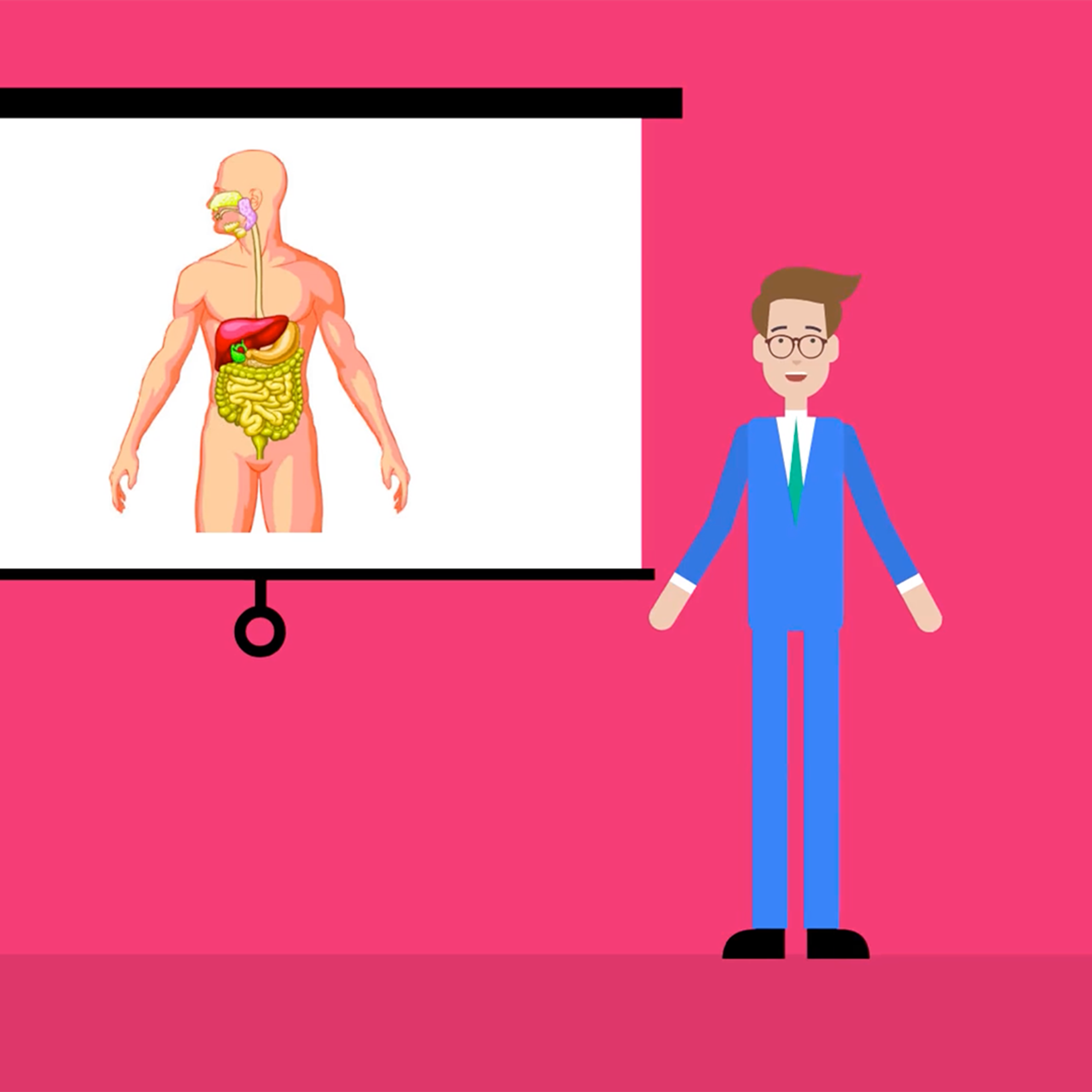
The digestive system's primary purpose is to break down food into simple molecules that can enter human cells and provide nutrition. Since we are focusing on metabolic syndrome, obesity, and metabolic disease, we will focus this discussion on the breakdown of carbohydrates, also known as sugars, starches, and fibers. Nevertheless, the digestive system does much the same for proteins, fats, and vitamins, albeit by slightly different processes.
Enzymes are the body's specialty chemicals that change a chemical into a new chemical when mixed with certain other chemicals. Mouth saliva contains the enzyme alpha-amylase, which is remarkably effective at breaking down complex carbohydrate molecules into simpler carbohydrate molecules. This enzymatic hydrolysis is where the long, complex process of reducing food to glucose to be taken into the cell for nutrition truly begins. Enzymatic hydrolysis is particularly good at breaking down the simpler carbohydrates called starches. The mouth also transports the ground, mixed, liquified, and enzymatically treated food to the esophagus.
This process of breaking down the components of a bolus of food using microbes is called microbial hydrolysis. Microbial hydrolysis is particularly effective at breaking down the full range of carbohydrates, including sugars, starches, and fibers. Therefore, it makes sense for microbial hydrolysis to occur further along in the digestive process, where it can complete the conversion of any remaining molecule types.
Considering the overwhelming complexity of the bioreactor's vertical and horizontal ecosystems, it becomes clear that there are no quick fixes to metabolic syndrome, obesity, and metabolic disease. Short-term special diets, weight loss, and adding healthy foods, probiotics, prebiotics, antioxidants, and supplements will not likely get the job done. The Actionable Knowledge of the Nutrimatters nutritional model can help avoid and reverse metabolic syndrome, obesity, and metabolic disease.
Actionable Knowledge
- If you treat food as ready-to-burn energy and shovel it like coal into a boiler, you will significantly change the nutrient stream entering the bioreactor. These changes can have significant impacts on the bioreactor's processes.
- First, the urge to drink to help swallow is itself significant. This urge indicates you need to give the mouth the time to process the food slowly and thoroughly. A brief chew and quick swallow often lead to washing the food down with a drink. When these happen together, as they typically do, it significantly undermines the beginning of the hydrolysis process. There is no harm in drinking while eating; just don't drink immediately after swallowing to wash it down.
- Michael Gershon's book, The Second Brain, details that 95% of nutrition happens in the bioreactor. Up to this point, everything in the digestive tract functions to prepare the optimal food bolus and move it along to feed the ecosystem of microbes in the bioreactor. Everything after the bioreactor is to manage the waste products of nutrition. The bioreactor truly is the center of the nutrition universe.
- The sheer scale of the bioreactor ecosystem is staggering. Between twenty-five and fifty thousand distinct environmental spaces serve as critical habitats for metabolically active microbe species, each creating an essential nutrient or biochemical. This multitude of environments underscores the complexity and diversity of the bioreactor's microbial community. Instead of trying to micromanage the bioreactor ecosystem, Nutrimatters focuses on ending actions that harm the bioreactor and beginning actions that support the bioreactor's natural healing.
Top Sponsors of this Course
 Your Name - Your Organization
- Your Name - Your Organization
- Your Name - Your Organization
- Your Name - Your Organization
Related Article
Meet Your Essential Organ, the Bioreactor.
Article 9
The digestive system is thought of as a waste system where nutrients soak into the body. NOT!
Read ArticlePrevious Course

You Breed What You Feed.
Course 8
Life thrives where it gets lots of its favorite foods.
Life thrives where it gets lots of its favorite foods.
The success of populations of digestive system microbes is determined mainly by what you feed them. You can support healthy microbes, and crowd out unhealthy microbes by the right food choices. But a lifetime of food choices creates a population of microbes unique to each individual.
Next Course

When You Become the Infection.
Course 10
Gut dysfunction causes the body to attack itself.
Gut dysfunction causes the body to attack itself.
Systemic inflammation, the root cause of many diseases, is the body attacking its own cells. A major cause is a failing gut membrane that allows microbes out of the gut, triggering an immune response. Once the immune system identifies one of your cells as a threat, it may attack it for the remainder of your life.
Account created successfully! Please check your email to verify your account.
You have been successfully signed in.
Account created successfully! Please check your email to verify your account.
Account created successfully! Please check your email to verify your account.