You have been successfully signed in.
Account created successfully! Please check your email to verify your account.
Account created successfully! Please check your email to verify your account.
Account created successfully! Please check your email to verify your account.
Course No. 10
Gut dysfunction causes the body to attack itself.When You Become the Infection.
Overview
This is when you become the infection. The body's immune system is designed to protect us from non-human organisms, such as viruses, germs, bacteria, and so on, by identifying, destroying, and removing these cells from the body, typically when they are found where they don't belong. But things can go very wrong, and the immune system starts attacking healthy human cells.
The current primary treatment methods weaken the overall immune system, which affects the whole body, and improve the diet and microbiome in the hope that the leaks will stop. No one knows how long the immune system will remember that human cells are a threat. However, understanding the general immune system suggests that the longer a human cell is attacked as harmful, the longer it will be remembered. That's why you can never act too soon to fix a leaky gut.
This attack begins long before observing the symptoms of Crohn's, Celiac disease, and the like. The early symptoms are continuous, long-term low energy, achiness, brain fog, and a strong urge to be sedentary, eat sugary foods, and put on weight, as discussed earlier. If these symptoms come and go, particularly if followed by actual illness, they are more likely to be regular infections. Unfortunately, if these symptoms persist without being followed by noticeable illness, they are too often dismissed as a character issue or caused by stress, overwork, and stress eating. We need to recognize these are early symptoms of metabolic syndrome, obesity, and metabolic disease and take action before the adaptive immune system identifies human cells for destruction and removal.
The most effective tool is awareness. Once you realize what's going on and why, you can take specific actions to stop inflammation from hijacking these systems. That's why we call this Actionable Knowledge, which is discussed in detail in the Nutrimatters 6by6Living™, SnackNix™, SitNix™, and TrustedEating™ programs.
Actionable Knowledge
- Scientists are currently researching nearly 80 different types of inflammation, yet only a few are routinely monitored by a primary care doctor. There is not even complete agreement among scientists on what inflammation is on a cellular level. However, some consistently undesirable cellular consequences are associated with metabolic syndrome, obesity, and metabolic disease. These can be generally referred to as inflammation. We organize these undesirable cellular consequences into the following five types:
- Immunity Based
- Oxidative Stress Based
- Mitochondria Based
- Toxicity Based
- Hormone Based
- This chronic activation is where the immune system can significantly contribute to metabolic syndrome, obesity, and metabolic disease even before it has attacked tissue or caused inflammation. When you are low energy, achy all over, have a bit of brain fog, and feel a strong urge to be sedentary and eat sugary foods, you are severely disadvantaged in working to avoid and reverse metabolic syndrome, obesity, and metabolic disease.
- In the early stages of a leaky gut, the innate immune system primarily attacks the clearly non-human cells that don't belong outside the gut. This attack can consume a lot of energy, but at least it is highly localized and only happens in one area of the body. However, with all the non-human cells squeezing through the human cells of the bioreactor and colon wall, the adaptive immune system eventually gets involved because of the direct contact of human and non-human cells. One theory is that this contact transfers some of the proteins used to identify friend or foe. It starts mistaking human cells as foreign invaders. This mistaken identification is where really hard-to-fix problems arise.
- Threshold toxins in nutrition, bioreactor dysfunction, dysbiosis, and inactivity harm the body by hijacking five systems of the body that are otherwise essential to good health. It begins to become clear why metabolic syndrome, obesity, and metabolic disease are so complex to avoid and reverse in modern living. That's why Dr. Robert Lustig estimates over 80% of Americans are somewhere on the spectrum of metabolic syndrome, obesity, and metabolic disease.

Top Sponsors of this Course
 Your Name - Your Organization
- Your Name - Your Organization
- Your Name - Your Organization
- Your Name - Your Organization
Related Article
When You Become the Infection.
Article 10
Systemic inflammation, the root cause of many diseases, is the body attacking its own cells and can be caused by the gut.
Read ArticlePrevious Course
Meet Your Essential Organ, the Bioreactor.
Course 9
Trillions of microbes create essential chemistry.
Trillions of microbes create essential chemistry.
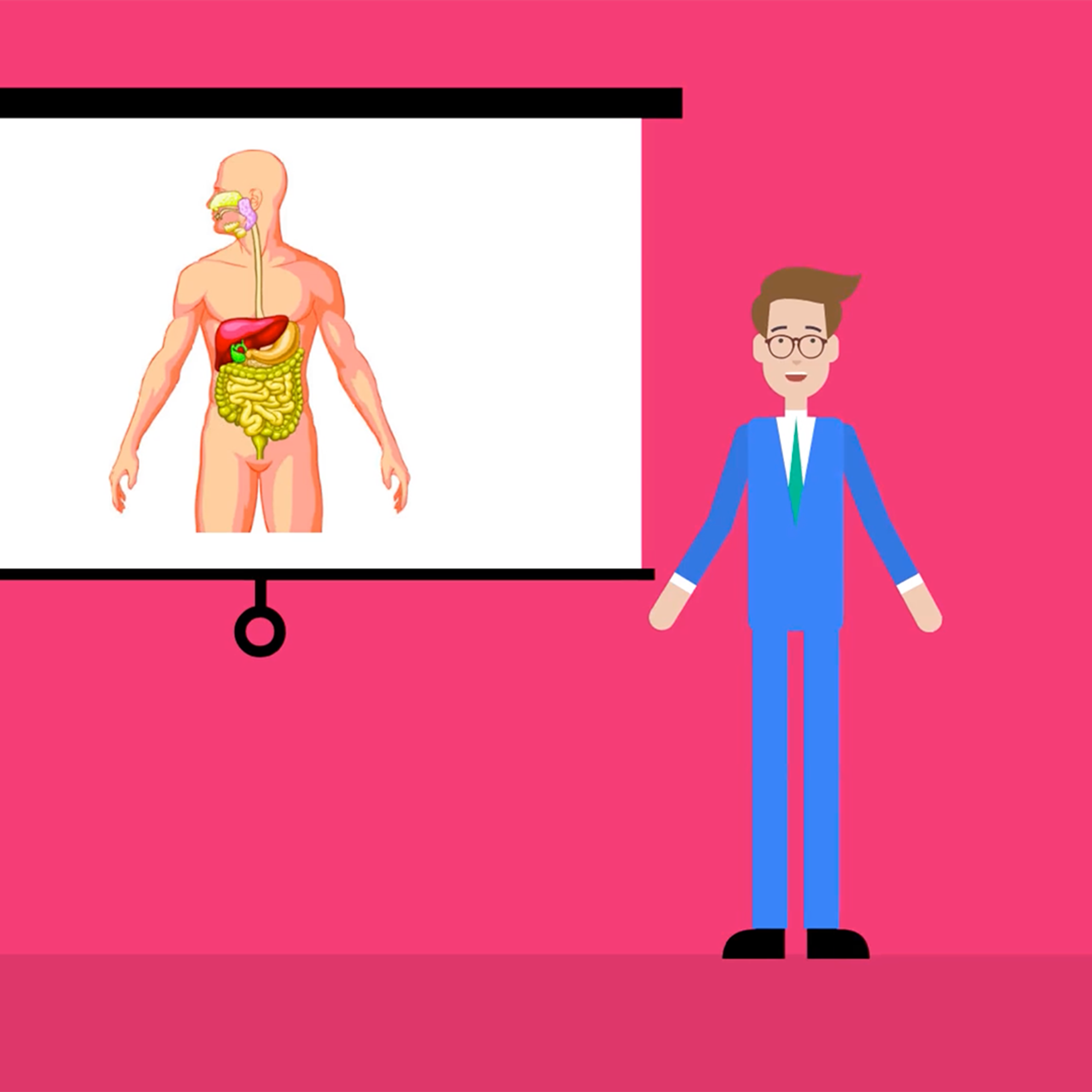
The digestive system is thought of as a tube where nutrients soak into the body. NOT! The small intestine is one of the most complex and biologically significant organs in the body. At about 22 feet long (7 meters), and 400 sq. ft. (37 sq meters) of surface area, with trillions of embedded microbes, it is the body’s energy reactor.
Next Course

Do You Know You Have a Second Brain?
Course 11
There are more nerves in the gut than the brain.
There are more nerves in the gut than the brain.
There is a second nervous system in the body with more nerve cells than the brain. This “second brain” is the nerves of the digestive tract. The brain’s nerves need 8-hours sleep, why not the second brain's nerves? Yet we keep the second brain up all night with late eating, since it works for 6 hours after we last eat.
Account created successfully! Please check your email to verify your account.
You have been successfully signed in.
Account created successfully! Please check your email to verify your account.
Account created successfully! Please check your email to verify your account.