You have been successfully signed in.
Account created successfully! Please check your email to verify your account.
Account created successfully! Please check your email to verify your account.
Account created successfully! Please check your email to verify your account.
Course No. 4
Hunger can't be avoided, but it can be minimized.You Can't Defeat Hunger, So Outsmart It.
Overview
Hunger, already overstimulated by bioreactor dysfunction and dysbiosis, becomes overwhelming when additional hunger stimulants from factory foods and certain comfort foods are added to the mix. Eating under these circumstances is no longer voluntary. Restoring hunger to manageable levels is accomplished through avoiding hunger stimulants and reversing bioreactor dysfunction and dysbiosis.
Weight loss and control do not happen without experiencing hunger, at least not without drugs and surgery. So, the goal is not to eliminate all hunger but to restore it to natural levels where eating once again becomes voluntary.
Moderate short-term natural hunger is important operational feedback on the body’s needs. Natural hunger occurs normally 3 to 4 hours after the last full meal. Natural hunger encourages you to eat an amount of food so that you are satisfied about 30 minutes after eating. It does not encourage snacking and never being hungry, which makes it difficult to use hunger as a monitoring system of the body’s needs. Natural hunger keeps eating a voluntary human reflex.
The key to controlling hunger is to reduce its complexity to a simple cause-and-effect relationship you understand, experience, and believe you can control, similar to your experience with late caffeine and disrupted sleep.
Actionable Knowledge
- The more you overeat factory food, the more sedentary you are, and the worse your bioreactor dysfunction and dysbiosis, the hungrier you will be for a given nutritional deficit.
- The human brain is the most energy-consuming organ of the body. Despite comprising only about 2% of the body's mass, the brain consumes up to 20% of the body's energy. As energy in the form of glucose is depleted from your blood, hunger spikes. However, if you resist this hunger spike, the body will replenish the blood glucose with the glucose from the muscles. The intense hunger will decrease 30 to 60 minutes after the hunger spike. You will make it to the next meal and have saved eating all those extra calories.
- If you eat until you are full at the table, you will always overeat. If you are still hungry 30 minutes after leaving the table, eat more. If you feel full before 30 minutes, eat less. Properly understood, the sensation of fullness is a much more effective means of avoiding overeating than trying to count calories.
- Once you overcome the 3 to 4-hour post-last-meal hunger spike and avoid the need to snack to fall asleep, you activate the best hunger mitigation strategy available. You fall asleep. The severity of hunger becomes irrelevant when you are unaware due to sleep. Sleep is the great equalizer. You may dream more about food, but mostly, you'll sleep through it and be unaware you're hungry.

Top Sponsors of this Course
 Your Name - Your Organization
- Your Name - Your Organization
- Your Name - Your Organization
- Your Name - Your Organization
Related Article
If It's Only Temporary, Then It's Not a Cure.
Article 1
It all begins with understanding the difference between temporary and permanent weight loss.
Read ArticlePrevious Course
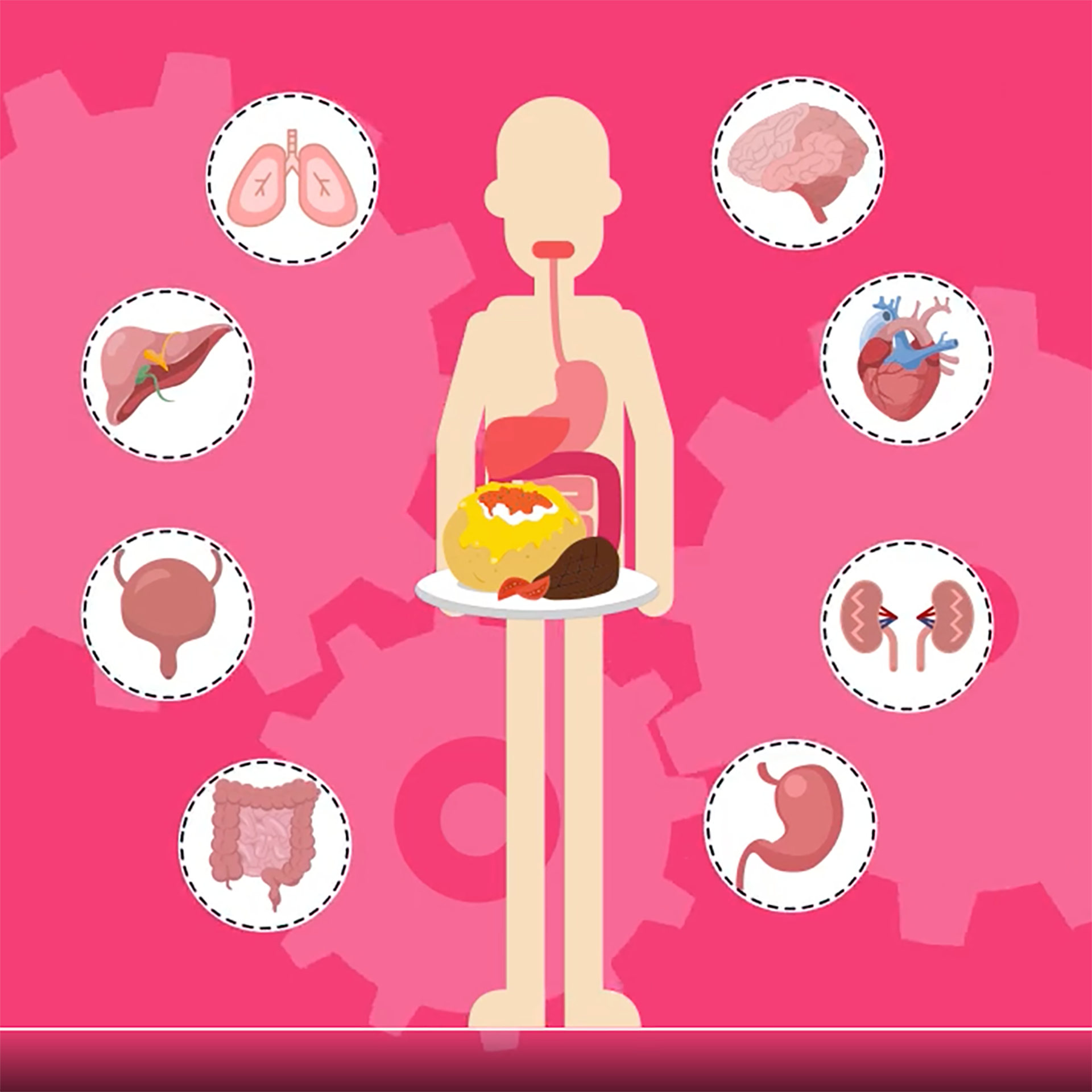
It's About Know Power, Not Willpower.
Course 3
What's character got to do with it? Nothing.
What's character got to do with it? Nothing.
It's not about character. It's all about learning how the body works, and how it processes food throughout the day. In fact, relying on willpower very rarely works for long. Weight gain is a symptom of metabolic dysfunction, not the cause. You can no more will-away fat than you can will-away a runny nose when you have a cold.
Next Course

Cellularly, You're Only Half Human.
Course 5
52% of the cells in your body have no human DNA.
52% of the cells in your body have no human DNA.
The cells of microbes processing food in your digestive system outnumber your human cells. There are thousands of non-human species of microbes in incalculable combinations, each unique to the individual and having a different effect on the body. We know now that non-human microbes drive most of our body chemistry.
Account created successfully! Please check your email to verify your account.
You have been successfully signed in.
Account created successfully! Please check your email to verify your account.
Account created successfully! Please check your email to verify your account.