You have been successfully signed in.
Account created successfully! Please check your email to verify your account.
Account created successfully! Please check your email to verify your account.
Account created successfully! Please check your email to verify your account.
Course No. 3
What's character got to do with it? Nothing.It's About Know Power, Not Willpower.
Overview
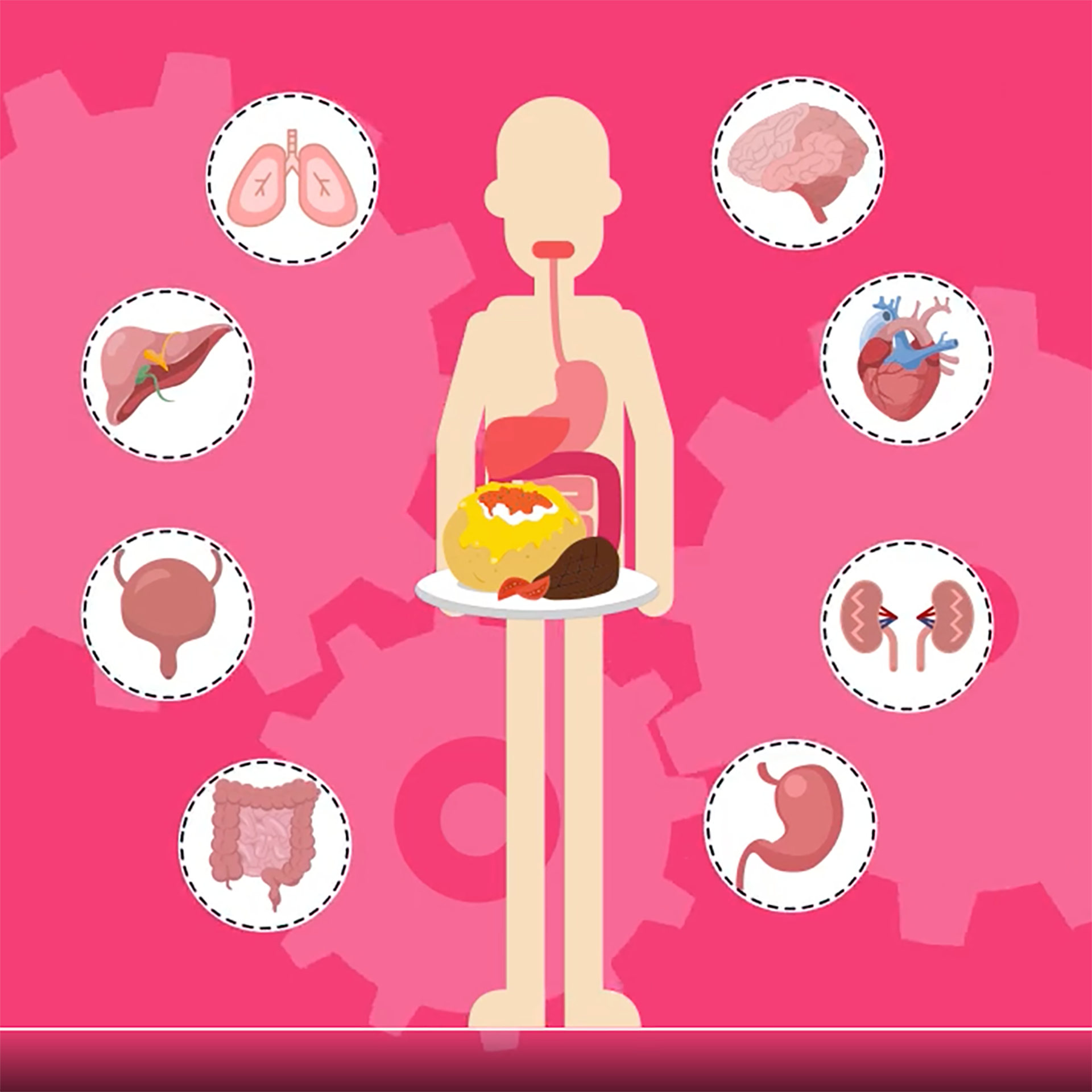
Many believe that the cause of obesity is a lack of individual willpower to control eating and activity. However, willpower only applies to the body’s voluntary functions, not its involuntary functions. It all boils down to whether overeating and inactivity are voluntary or involuntary human processes. The new science now provides a much better understanding of voluntary and involuntary human.
The importance of time in the voluntary vs. involuntary discussion becomes more apparent when you consider examples of other human body processes, such as breathing. When you hold your breath, chemical changes occur that the body perceives as harmful. To protect itself, the body increases the urge to breathe as these harmful chemicals increase. Eventually, the urge to breathe becomes overwhelming, and you take a breath. In other words, breathing IS voluntary… for a short time period, whereafter it becomes quite involuntary.
When you stop eating or are overworked, similar chemical changes also occur that the body perceives as harmful. The body increases the urge to eat and sit as these harmful chemicals increase to protect itself. Eventually, the urge to eat and sit overwhelms you, and you eat and sit. One primary difference between breathing and eating or sitting is that the time period is much longer for eating and sitting. This extended time period makes it harder to see that eating and activity are just as much an involuntary human process as breathing.
Dysfunction of the bioreactor (damage to the small intestine) and dysbiosis (unhealthy microbes in the gut) change the body chemistry in a manner that mimics the chemistry of pending harm that causes the body to make you eat and sit, essentially reducing the time period to trigger an involuntary response to nearly always. This is know power, and it will do much more to avoid and reverse obesity and metabolic disease than believing in the biological fantasy of willpower.
Actionable Knowledge
- It all boils down to whether overeating and inactivity are voluntary or involuntary human processes. When discussing how the body responds to willpower, hunger is like breathing. When you hold your breath, chemical changes take place that the body perceives as harmful. As these harmful chemicals increase, the body increases the urge to breathe to protect itself. Eventually, the urge to breathe becomes overwhelming, and you take a breath. This ultimately makes breathing an involuntary human process.
- Dysfunction of the bioreactor (damage to the small intestine) and dysbiosis (unhealthy microbes in the gut) change the body's chemistry in a manner that mimics the chemistry of the harm of not eating and inactivity that causes the body to make you eat and sit. This ultimately makes eating an involuntary human process.
- Therefore, eating and inactivity are involuntary in the presence of bioreactor dysfunction and dysbiosis. As a result, a person is not morally responsible for obesity and metabolic disease, and eventually, willpower becomes incidental to overeating and inactivity.
- Those who have failed with nutrition can succeed by reducing nutrition's complex, confusing, and ever-evolving science to simple cause-and-effect relationships, learned by experience, and believing the effects result from your actions.
Top Sponsors of this Course
 Your Name - Your Organization
- Your Name - Your Organization
- Your Name - Your Organization
- Your Name - Your Organization
Related Article
It's About Know Power, Not Willpower.
Article 3
It's not about character. It's all about learning how the body works, and how it processes food throughout the day.
Read ArticlePrevious Course
Counting Calories Adds Up to Failure..
Course 2
Physical & behavioral reasons this doesn’t work.
Physical & behavioral reasons this doesn’t work.
Nutrition and weight loss are rare industries that thrive with a low single-digit success rate. It makes sense to look for new approaches when the current approaches have such a low success rate. Virtually every current weight-loss program one way or another counts calories. While the physics of calories in calories out is right, the body fools you about the numbers.
Next Course

You Can't Defeat Hunger, So Outsmart It.
Course 4
Hunger can't be avoided, but it can be minimized.
Hunger can't be avoided, but it can be minimized.
You cannot defeat hunger using willpower, but with know power, you can outsmart hunger. Humans evolved in constant food scarcity. Getting food was hard and dangerous. Over the millennia, the body developed several very potent hunger generating systems. If you understand these systems, you can better control them.
Account created successfully! Please check your email to verify your account.
You have been successfully signed in.
Account created successfully! Please check your email to verify your account.
Account created successfully! Please check your email to verify your account.